Understand TCM
Acupuncture
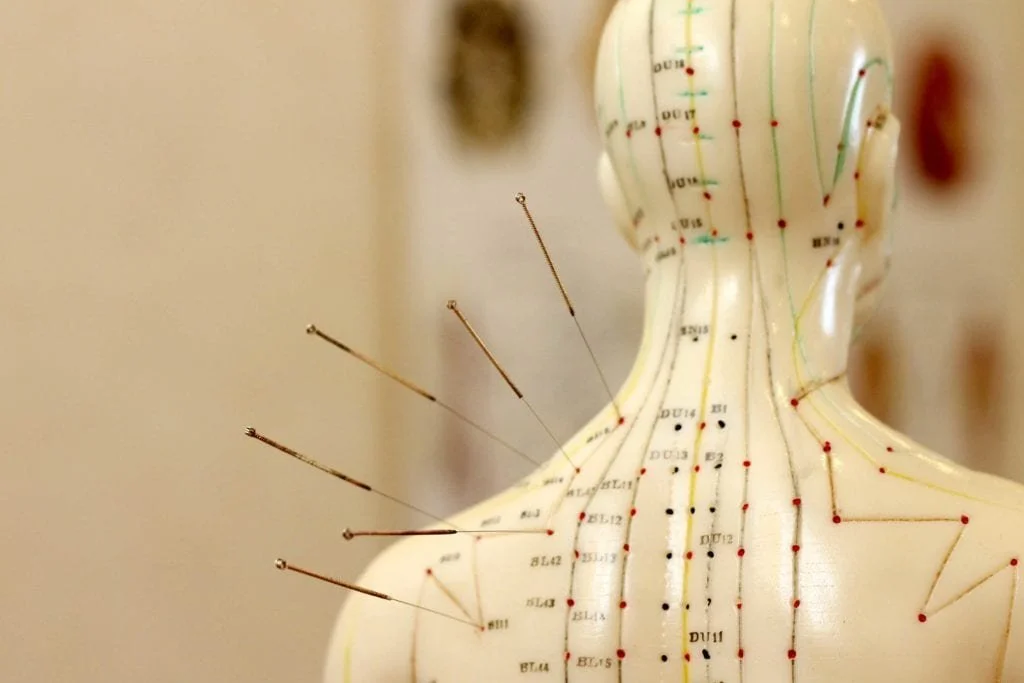
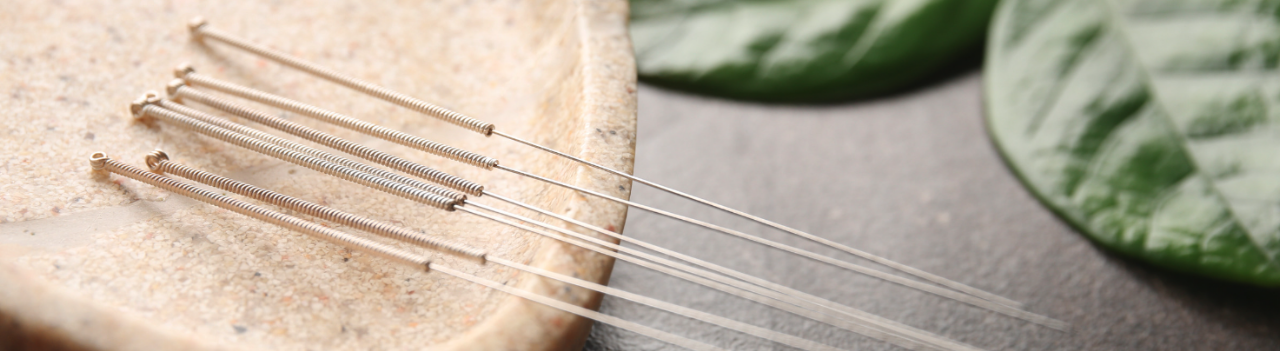
Acupuncture is a well-known therapy in Traditional Chinese Medicine (TCM) that involves inserting fine needles into specific points on the body to regulate the flow of Qi (energy) and support the body's natural healing process. Acupuncture is often combined with moxibustion, where moxa is burned on or near acupuncture points, a practice known as Acu-Moxa therapy. When the body is out of balance, Qi and Blood may become blocked. Acupuncture helps to unblock these pathways, restoring the smooth flow of Qi and Blood to promote recovery.
Acupuncture can be applied to points on the body, scalp, and ears, with the depth of needle insertion varying based on the area. In addition to traditional needling, electro-acupuncture uses mild electrical currents to stimulate acupuncture points for enhanced therapeutic effects. Acupuncture is effective for both acute and chronic conditions, from headaches to more complex health concerns.
Acupuncture is safe, and most people overcome their fear of needles after their first session. For those who are uncomfortable with needles, alternative approaches like acupressure or other non-needle techniques are available.
Even without obvious symptoms, acupuncture can be used as a preventive measure. Regular sessions can strengthen the body and help maintain overall wellness. Typically, an acupuncture session lasts about one hour, and depending on the condition, multiple sessions may be recommended.
Before your acupuncture session, avoid coming on an empty stomach, and inform your practitioner if you are pregnant or have any specific medical conditions. For children or those highly sensitive to needles, acupressure can be a suitable alternative.
Yin/ Yang
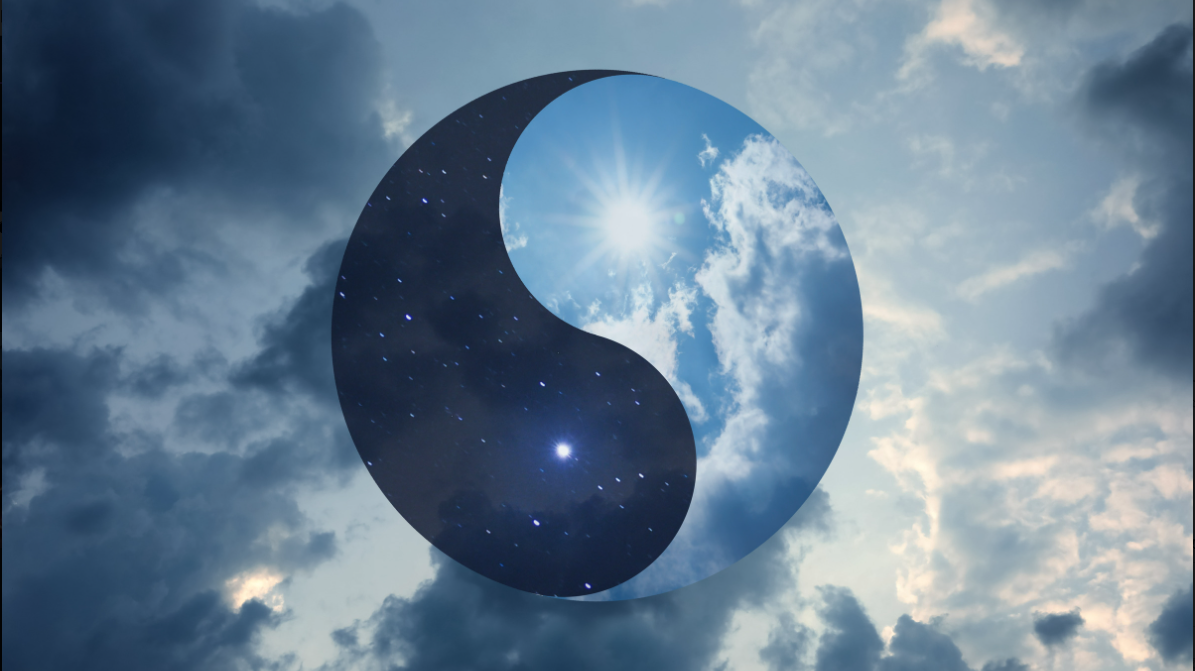
Yin and Yang are fundamental principles in Traditional Chinese Medicine (TCM) used to explain how the body functions and how diseases develop. They describe a dynamic balance between different aspects of life, and only exist in relation to each other. Yin and Yang can transform into one another under certain conditions — for example, material substance represents Yin while functional activity represents Yang. Yin and Yang can also be subdivided infinitely. For instance, the upper body is relatively more Yang while the lower body is more Yin, but within the upper body, the head is Yang compared to the chest, and within the lower body, the feet are Yin compared to the legs.
Yin is associated with qualities such as stillness, coolness, and moisture, while Yang is linked to qualities such as activity, warmth, and dryness. Yin and Yang are complementary opposites — when balanced, they work together harmoniously. Nothing in the world is purely Yin or Yang; everything contains aspects of both. These two forces continuously interact, support, and restrain each other. When Yin and Yang are in balance, the body is in a state of health. When this balance is disrupted, illness may arise.
In TCM, the body is understood as a dynamic interplay of Yin and Yang. For example, when Yang energy becomes excessive, Yin energy is consumed, and vice versa. TCM practitioners use treatments such as acupuncture, acupressure, and herbal medicine to restore this balance. If a patient presents with symptoms of fatigue or depression, it may indicate that Yin is relatively dominant, and the practitioner would focus on strengthening Yang. Conversely, if Yang is excessive — presenting as inflammation, restlessness, or heat symptoms — the practitioner would nourish Yin through herbs, dietary guidance, acupuncture, and other natural methods.
Five Elements(WU XING)
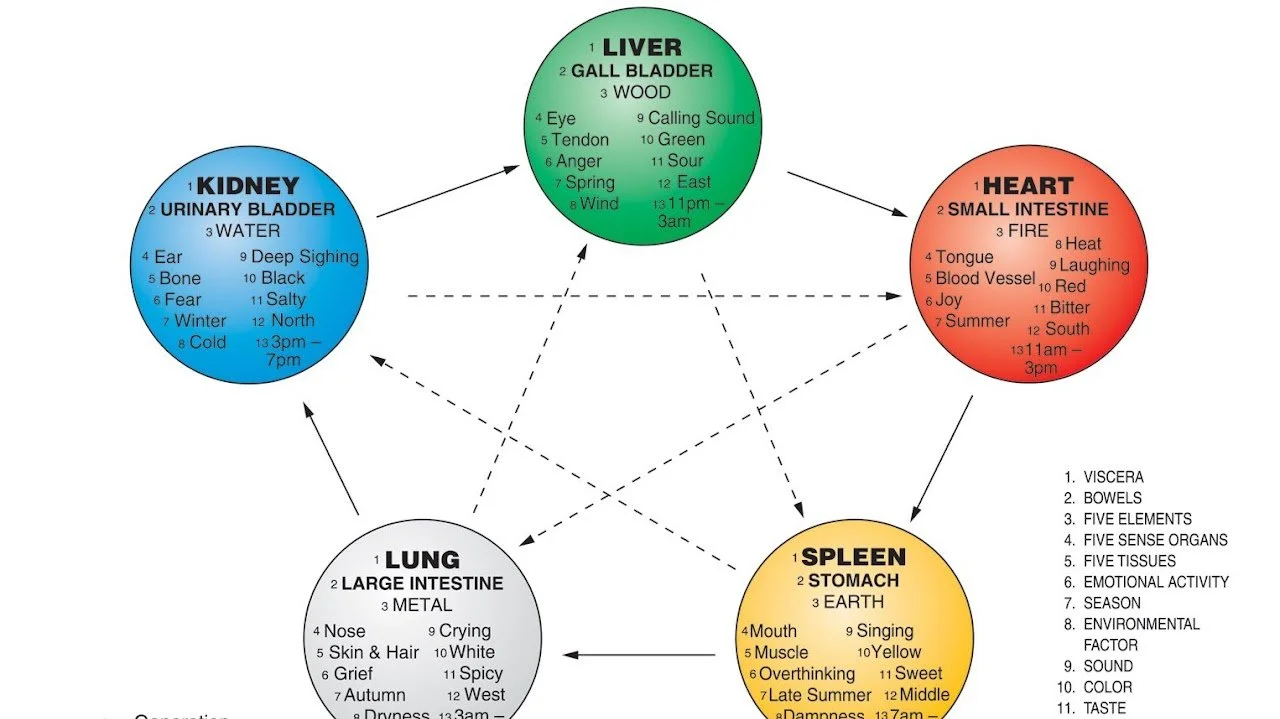
The theory of the Five Elements, like the theory of Yin and Yang, originated in ancient China. "Wu" refers to five categories of natural phenomena: Wood, Fire, Earth, Metal, and Water. "Xing" means movement and transformation. Together, "Wu Xing" describes the dynamic movement, transformation, and interrelationships among these five elements. This theory was originally used to explain changes in the natural world and later became a fundamental part of Traditional Chinese Medicine (TCM).
The Five Elements theory suggests that all things in nature are derived from the qualities of Wood, Fire, Earth, Metal, and Water, and they maintain balance through cycles of mutual promotion and mutual restraint.
Since each element represents key aspects of the natural world and carries specific properties, ancient Chinese scholars used them to classify and explain the characteristics of all things. TCM applies this framework to organize natural phenomena, as well as human organs and tissues, into the five categories based on their shared properties. This creates an integrated system connecting the body's internal environment with the external world. The system encompasses the five flavors, five colors, five transformations, five types of Qi, five directions, five seasons, five Zang (solid) organs, five Fu (hollow) organs, five sensory organs, five body tissues (tendons, vessels, muscles, skin, and bones), five emotions, five body fluids, and five pulse patterns.
For example, spring — with its warm weather and renewal of life — reflects the qualities of growth and expansion associated with Wood. Therefore, spring is classified under the Wood element. Similarly, the Liver, which functions to regulate the smooth flow of Qi throughout the body, is also associated with Wood.

Qi
Qi is a concept that resists simple translation. In essence, it can be understood as the circulating life energy inherent in all living things — the vital force that activates, enlivens, and animates the body.
Qi is received from nature, inherited from our parents, and absorbed from the food and water we consume. Qi is also taken in through specific points on the skin used in the practice of acupuncture. These acupuncture points exist along meridians — circulatory pathways within the body that connect Qi to specific organ systems and the external surface.
TCM provides a means to regulate the flow of Qi through the insertion of acupuncture needles at specific points, or through administering herbal formulas that correspond to one or more meridians or organs. The primary functions of Qi are to nourish, protect, and warm the body. The function of each organ is expressed in terms of its Qi — for instance, if a person's Heart Qi is insufficient over a prolonged period, they may become susceptible to cardiovascular problems.
There are modern devices capable of measuring the electrical conductivity at acupuncture points, which can help determine whether Qi is concentrated in one area of the body or deficient in another. Like Yin and Yang, when Qi is excessive or deficient in a particular region, that area becomes prone to illness. However, unlike Yin and Yang, Qi can also become blocked — and this stagnation of energy is itself a common cause of pain and discomfort.
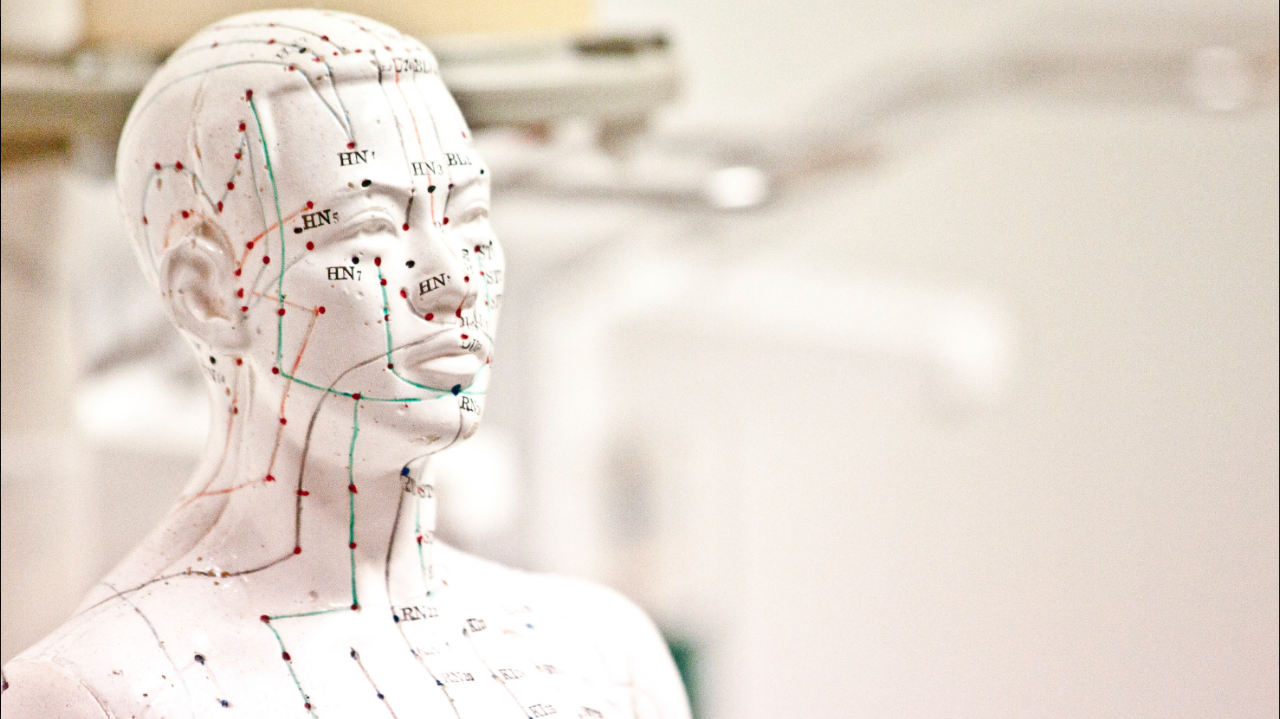
The Meridian System
In Chinese medicine, Qi is believed to travel through the body along pathways on and beneath the body's surface. These pathways, called "meridians," form an interconnected network that links organs, tissues, and the body's surface into an integrated whole.
The Meridian System serves as a transportation network for Qi and Blood, with connections that parallel aspects of the circulatory, nervous, and lymphatic systems. However, the meridian system is understood to be more complex, as it carries both tangible substances such as Blood and less tangible substances such as Qi. Acupuncture points are located along these meridians, providing access to the body's energy pathways. The meridians function to circulate Qi and Blood, nourish the organs, maintain the body's internal harmony, and strengthen its ability to resist disease. Modern research continues to explore the physiological basis of the meridian system, with studies suggesting measurable differences in electrical conductivity along meridian pathways.
Qi constantly flows through these pathways. When the flow becomes obstructed, deficient, or excessive, it disrupts the balance of the entire system — much like a dam that backs up water on one side while restricting flow on the other. This imbalance between Yin and Yang is what gives rise to illness. Chinese medicine works to restore this balance by regulating the flow of Qi along the Meridian System through acupuncture, herbal medicine, and other therapeutic methods.
TCM Etiology
In Chinese medicine, deficiency, excess, stagnation, and imbalance are key concepts used to explain the causes and progression of disease.
Deficiency occurs when the body's Qi, Blood, Yin, or Yang is insufficient. Common manifestations include dizziness and fatigue, pale complexion, shortness of breath, and excessive thirst — signs that the body lacks the resources it needs to function optimally.
Excess refers to conditions in which pathogenic factors overwhelm the body's defenses, triggering an active struggle between the body's Qi and the invading pathogen. Common manifestations include high fever, acute infections, diarrhea caused by contaminated food, and constipation due to accumulation of heat or food retention.
Stagnation occurs when Qi, Blood, or body fluids cannot circulate freely, resulting in blockages. Common manifestations include abdominal bloating from Qi stagnation, localized pain from Blood stasis, and swelling or edema from fluid retention. As the classic principle states: "Where there is blockage, there is pain."
Imbalance occurs when Yin and Yang within the body lose their harmonious equilibrium. Because the organs are interconnected through the meridian system, an imbalance in one organ can affect the function of others, potentially impacting the health of the entire body

TCM Diagnosis
To understand a patient's overall health, a TCM practitioner uses four traditional diagnostic methods, known collectively as the Four Examinations:Inspection (望): The practitioner observes the patient's general appearance, complexion, and spirit. The tongue is examined closely, as it reflects the condition of the internal organs. A healthy tongue is pinkish red, neither too dry nor too moist, with a thin white coating.
Auscultation and Olfaction (闻): The practitioner listens to the patient's voice, breathing, and other sounds, and takes note of any unusual odors. These observations provide insight into the state of Qi and the vitality of the patient.
Inquiry (问): The practitioner asks detailed questions about the patient's medical history, current symptoms, lifestyle, diet, sleep, and emotional well-being to build a comprehensive clinical picture.
Palpation (切): The practitioner feels the pulse at the wrist to assess the flow of Qi and Blood. The left wrist reflects the condition of the Heart, Liver, and Kidney Yin, while the right wrist reflects the Lung, Spleen, and Kidney Yang. Pulse diagnosis is one of the most refined skills in TCM, with practitioners distinguishing between numerous pulse qualities to guide diagnosis and treatment.